Integrating Racing Rainbow PNG and Racing PNG Assets into Professional Creative Workflows
In the fast-paced world of digital design and product creation, the efficiency of your workflow often dictates the success of your output. Whether you are a small business owner launching a new line of apparel, a freelancer managing multiple client deadlines, or a hobbyist looking to monetize a creative passion, the quality and usability of your digital assets are paramount. This is where specific, high-quality graphics like a Racing Rainbow PNG or a standard Racing PNG become more than just images; they become foundational components of a streamlined production process. Understanding how to integrate these assets effectively can transform a chaotic design session into a predictable, scalable operation.
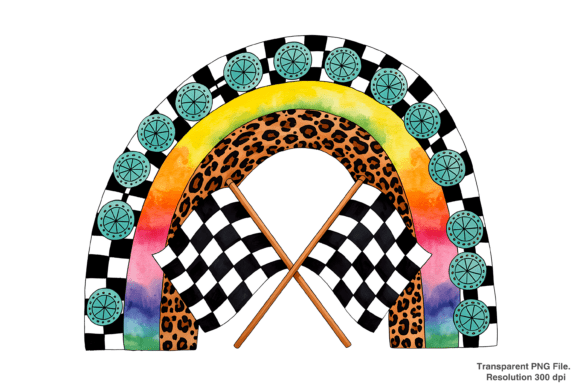
At its core, utilizing a pre-made graphic asset is a strategic decision to outsource the initial creative heavy lifting. When you acquire a premium file, such as a 12x12 inch, 300 DPI racing-themed image, you are essentially purchasing time and consistency. The "Racing Rainbow" concept, with its vibrant spectrum and dynamic motion lines, offers a unique visual hook that stands out in saturated markets like streetwear or automotive decor. Similarly, a clean, standard racing graphic provides versatility for more traditional applications. The key to leveraging these files lies not just in the download, but in how they fit into the broader timeline of your project—from initial concept to final physical product.
Pre-Production: Asset Selection and Technical Preparation
The workflow begins before you even open your design software. It starts with the acquisition phase. When selecting a digital asset for commercial use, technical specifications are non-negotiable. A file labeled as "High-Resolution 300 DPI" is critical for print-on-demand services and professional sublimation. Lower resolution files might look acceptable on a screen but will result in pixelated, unprofessional outputs when printed on large formats like hoodies or wall art. By choosing a file that meets industry standards immediately, you eliminate the need for upscaling tools, which often degrade image quality, or the risk of having to reject a batch of printed goods due to poor clarity.
Furthermore, the format matters immensely. A transparent background is not merely a convenience; it is a workflow necessity. When you download a Racing PNG with a transparent background, you bypass the tedious process of manual masking or erasing white boxes in software like Adobe Photoshop, Canva, or Procreate. This compatibility ensures that the asset can be dropped directly onto colored mockups, dark garment templates, or complex multi-layered designs without leaving artificial borders. For entrepreneurs managing inventory across different product types—such as moving from light-colored t-shirts to dark tote bags—a transparent asset ensures brand consistency without requiring multiple file versions.
Organization is another crucial element of this pre-production stage. Once the instant download is complete, the file should be integrated into a structured digital asset management system. Naming conventions should be clear (e.g., "Racing_Rainbow_300DPI_Transparent.png") to ensure that six months down the line, when you are ready to launch a summer collection, the file is immediately retrievable. This level of preparation prevents the common bottleneck of searching through disorganized folders during peak production times.
Execution: Integrating Graphics into Diverse Product Lines
Once the asset is secured and organized, the execution phase involves adapting the graphic to various mediums. The versatility of a 12x12 inch canvas allows for significant flexibility. For trendy t-shirts and hoodies, the designer can scale the racing graphic to fit chest prints or full-back layouts. The vibrant colors of a rainbow racing theme work particularly well for sublimation projects, where dye infusion requires bright, saturated inputs to achieve the desired pop on polyester blends. Here, the 300 DPI resolution ensures that the gradient transitions in the rainbow remain smooth, avoiding banding effects that can plague lower-quality prints.
Beyond apparel, these assets play a pivotal role in hard goods manufacturing. For tumblers and mugs, the workflow shifts slightly to account for curvature and wrap-around printing. A square 12x12 design can be easily manipulated to create a seamless wrap or a focused front-facing logo. The clean lines of a racing motif translate well to the cylindrical surface of a tumbler, providing a sense of speed and motion that appeals to automotive enthusiasts. Similarly, for tote bags and stickers, the scalability of the vector-like quality in a high-res PNG allows for resizing without loss of fidelity. A sticker sheet might utilize smaller iterations of the racing icon, while a tote bag might feature the graphic as a bold, central statement piece.
For those involved in home décor and wall art, the application extends to larger formats. While the native size is 12x12 inches, a 300 DPI file contains enough data to be enlarged moderately for framed prints or canvas art without significant degradation. This makes the asset suitable for creating themed nursery decor, garage man-cave artwork, or motivational office prints. The process here involves placing the PNG into a layout software, adding typography if necessary, and preparing the file for large-format printing. The "ready for instant download" nature of these files means there is no waiting period for proofs or revisions; the creator has full control over the immediate next steps.
Quality Control and Compatibility Considerations
A robust workflow always includes a quality control checkpoint. Even with premium files, variables exist. One critical factor is color management. As noted in standard digital purchasing guidelines, colors may vary slightly due to monitor and printer settings. A professional workflow accounts for this by utilizing CMYK color profiles for print rather than relying solely on RGB screen views. Before committing to a large run of sublimation projects or ordering bulk inventory, it is prudent to print a single test unit. This allows you to verify that the "vibrant design quality" promised in the product description translates accurately to the physical medium you are using.
Compatibility with design software is another area where preparation pays off. Most modern design platforms, from industry-standard Adobe Creative Cloud suites to user-friendly browser-based tools, support PNG formats natively. However, understanding how your specific software handles transparency and color spaces is vital. For instance, some web-to-print interfaces may automatically flatten layers or add a white background if not configured correctly. By knowing your toolset, you can ensure the Racing Rainbow PNG retains its integrity throughout the export process. This attention to detail prevents costly errors, such as shipping products with unintended white boxes around the logo.
Scaling Operations and Long-Term Utility
The true value of a versatile digital asset reveals itself over time. A single purchase can fuel multiple revenue streams. A Racing PNG acquired today can be used for a spring clothing drop, repurposed for back-to-school stationery in the fall, and adapted for holiday greeting cards in the winter. This adaptability supports a lean business model where overhead is kept low, and creativity is maximized. For educators teaching design principles, these files serve as excellent examples for students to learn about layering, masking, and print preparation without the legal complexities of copyright infringement associated with scraping images from the web.
Moreover, for marketers and bloggers, these graphics provide instant visual content. They can be incorporated into social media posts, email headers, or blog illustrations to maintain a cohesive brand aesthetic. The "clean, vibrant design" ensures that the visual communication remains professional, reinforcing trust with the audience. When a brand consistently uses high-quality imagery, it signals competence and attention to detail, which are crucial for converting casual viewers into loyal customers.
Ultimately, the integration of high-quality digital assets like racing-themed PNGs is about building a reliable foundation for creative commerce. It removes the friction of starting from scratch and allows creators to focus on what they do best: curating products, engaging with customers, and growing their brands. By treating these downloads as essential tools in a larger operational toolkit—respecting their technical requirements, planning their application across diverse products, and maintaining rigorous quality standards—professionals can ensure that every project moves smoothly from concept to completion. The result is a portfolio of work that looks polished, prints perfectly, and resonates with the intended audience, all while optimizing the time and resources invested in the creative process.